Blog

Featured Content: BBC News interview

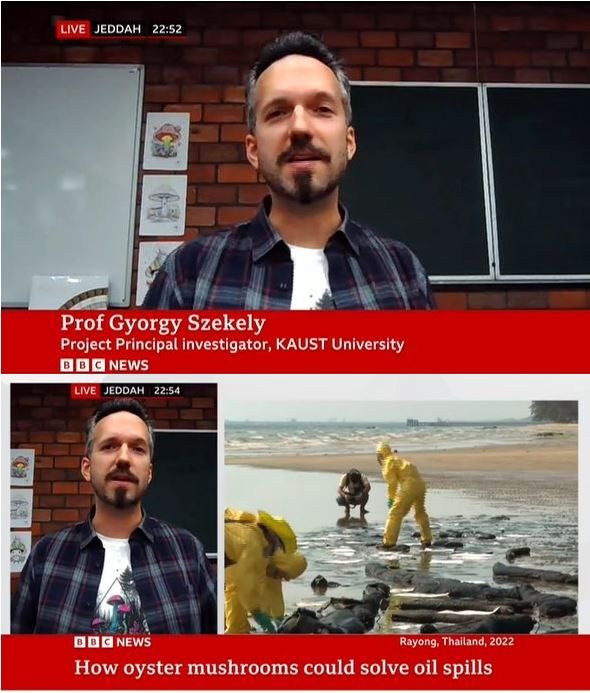
It was a pleasure to talk about our mycelium-based 🍄 membranes with Lewis Vaughan Jones through a live BBC News interview. Good to see that our research has interest beyond academia. 📺

Thanks to Joyce, my PhD alumni, who developed the membranes, and BBC for the opportunity!

The research article is open access, enjoy! Open_Access_logo small

No alt text provided for this image

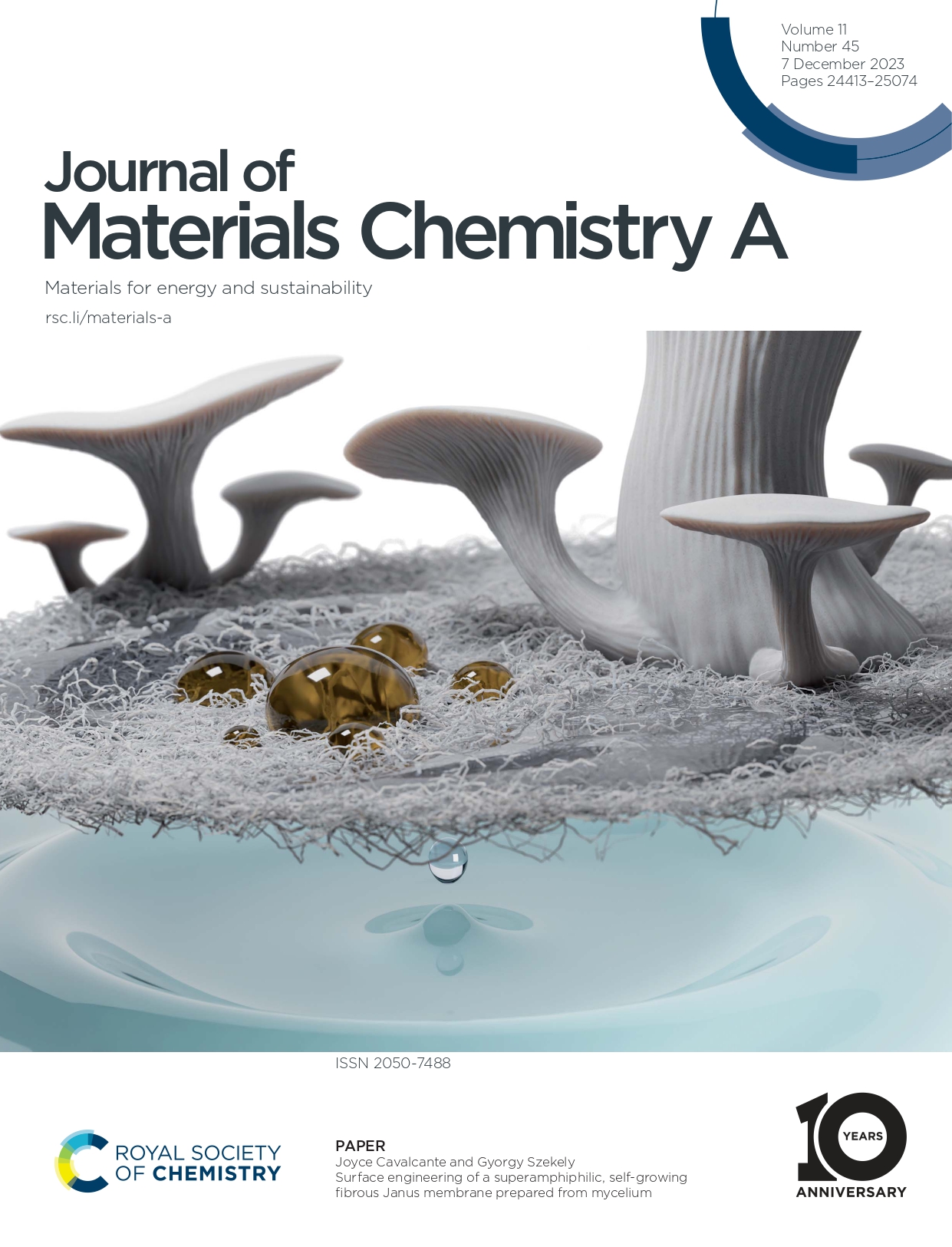
Here is the JMCA front cover 🎨 for th article:

cover small

Image credit: Ivan Gromicho @KAUST

Featured Content: Journal cover for ACS Nano

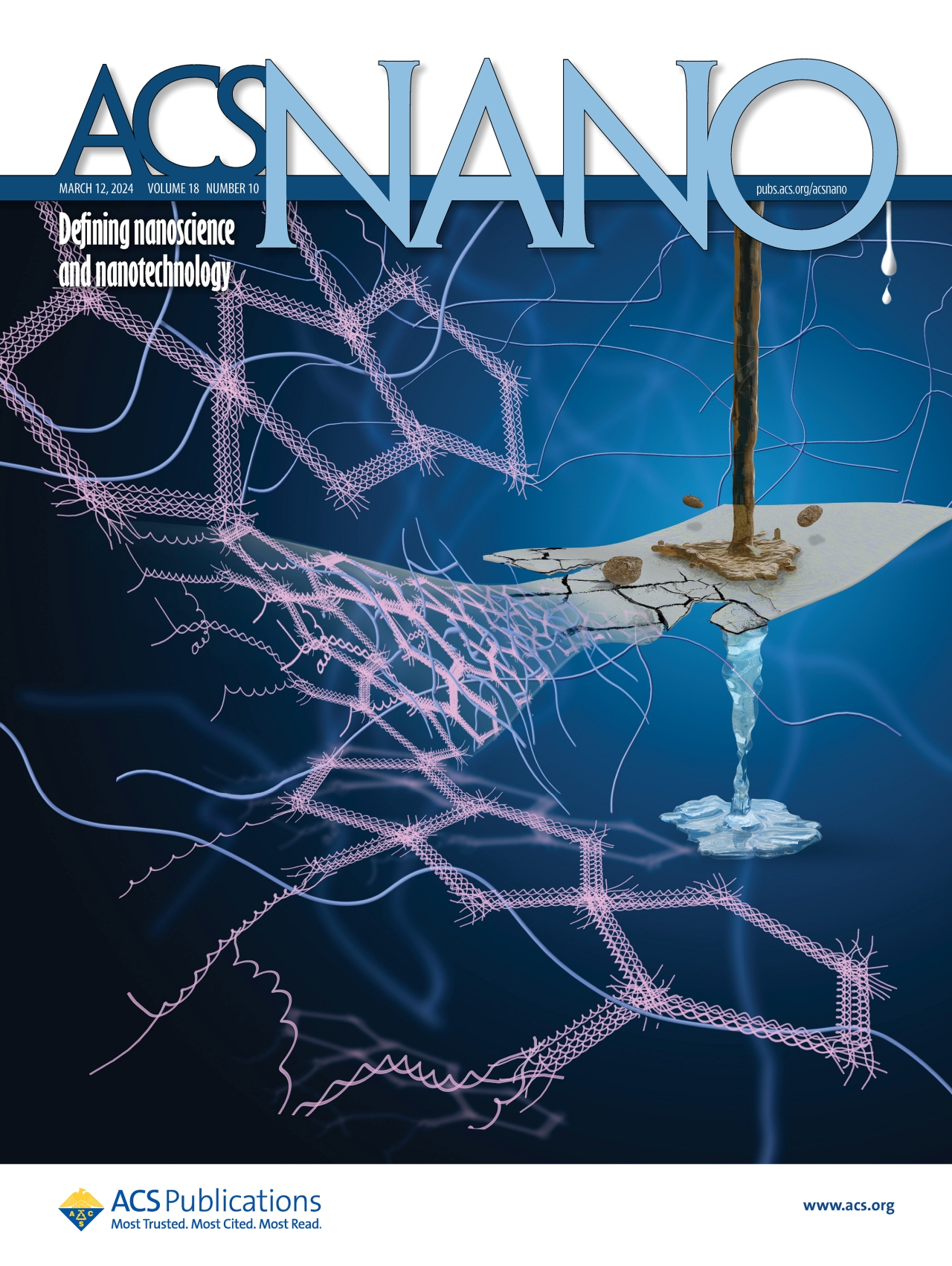
Check out our new article on biobased interpenetrating polymer network membranes for sustainable molecular sieving. The article was selected for the cover of ACS Nano. We developed a solely biobased interpenetrating polymer network membrane. Congrats to all the contributors in my team, namely Joyce, Diana, Aron and Rifan, as well as our collaborators from the Schwingenschlogl group!

The interface engineering synergistically combined natural latex and agarose.🌱 nanoIR and cryo-SEM revealed unique features of the membranes. The nanofiltration membranes demonstrated excellent solvent resistance and molecular sieving properties under harsh conditions.

The membranes were successfully used for pharmaceutical purification, 💉 and they removed impurities below the threshold level of toxicological concern. The biodegradability of the membranes enable an environmentally friendly end-of-life treatment. ♻️ACS Nano cover FINAL small

Image credit: Ana Bigio @KAUST

Featured Content: Journal covers in 2023

Our articles were featured on the front cover of 3 journals in 2023. It was a fun and creative process to design these journal covers with our talented illustrators at KAUST. 🎨 All articles are open access. Open_Access_logo small

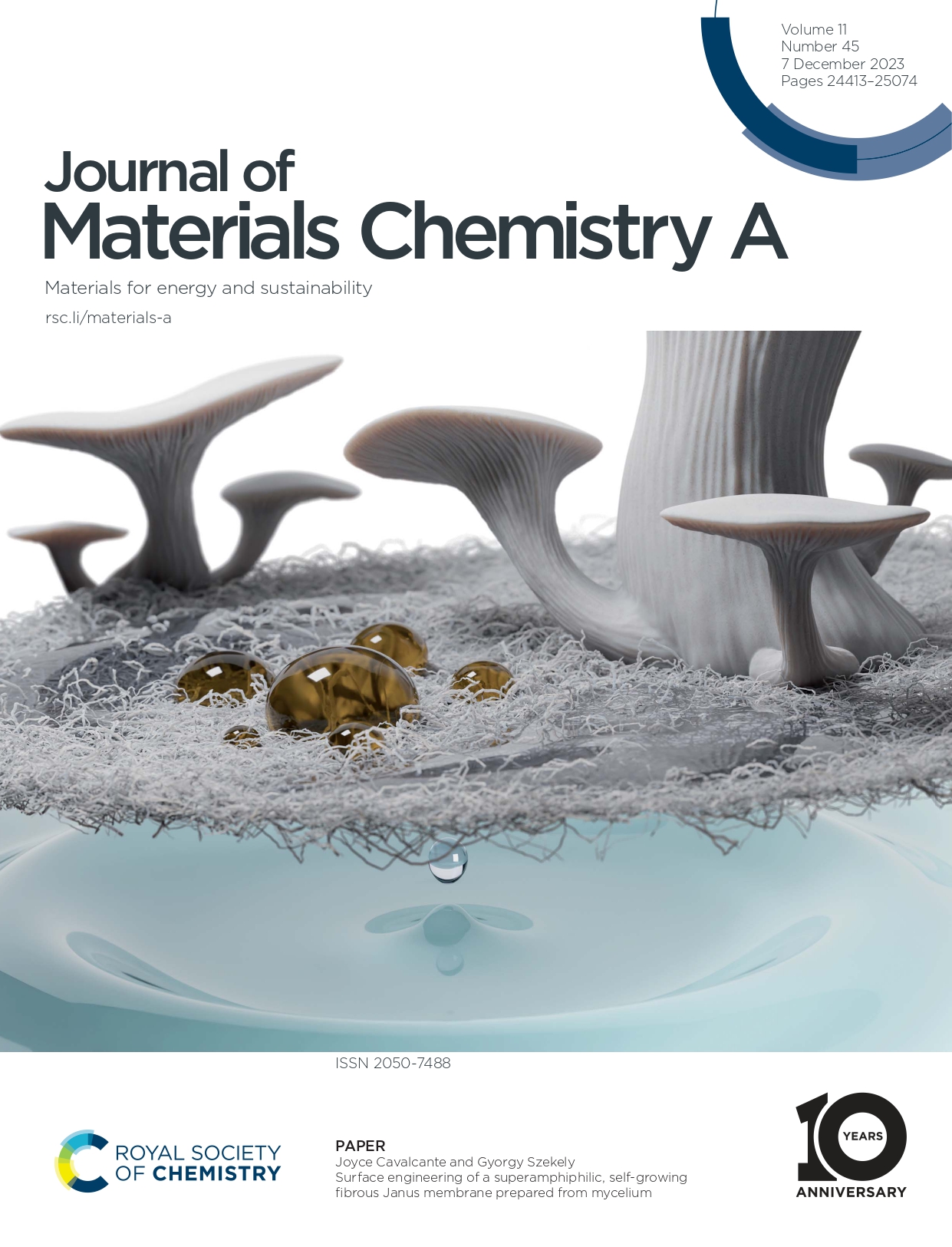
Magical mushrooms turn membranes green! 🍄 The increasing demand for effective oil–water separation materials has encouraged the exploration of sustainable and ecofriendly solutions. We investigated the surface engineering of a superamphiphilic, self-growing fibrous Janus membranes derived from mycelium. Check our the article and the KAUST Discovery story if you want to look behind the scenes.cover small
Carbon molecular sieve (CMS) membranes, fabricated via pyrolysis, are attracting attention owing to their stability under harsh environments, including high temperatures, organic media, and extreme pH. We demonstrated nanodomain control in CMS membranes via nanomaterial footprinting using different fullerenols. 🔥 Congrats, Rifan and Mahmoud! Read the open access article!
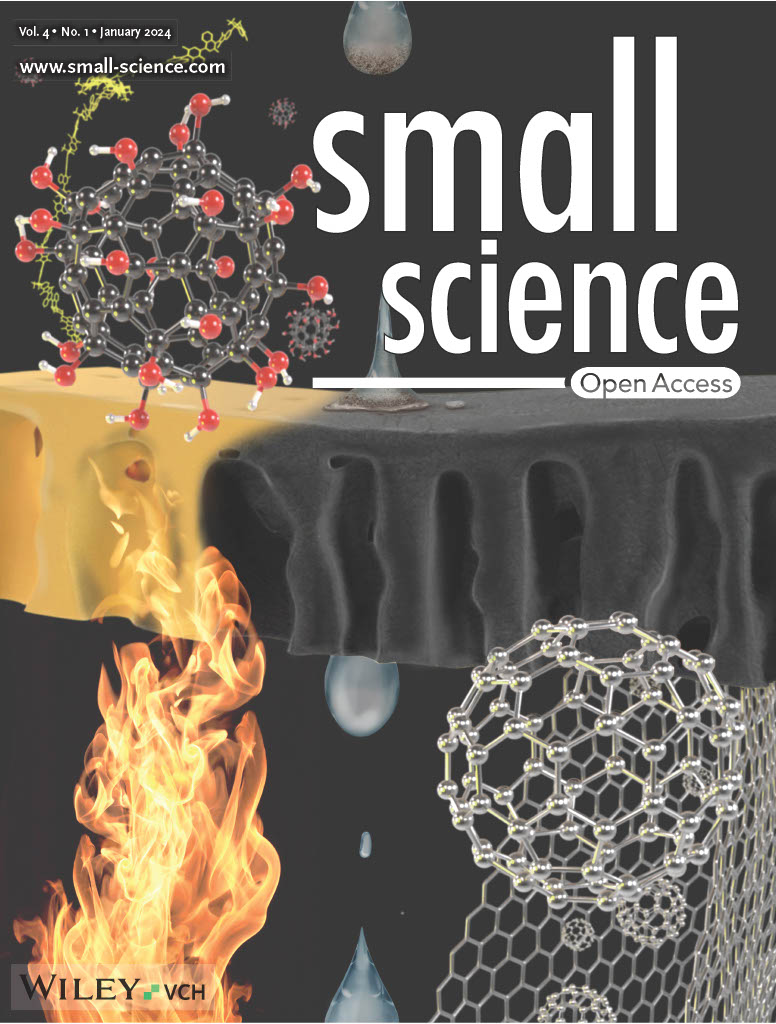
Small Science cover

Check out our article on explainable machine learning for unraveling solvent effects in polyimide organic solvent nanofiltration membranes published in Advanced Membranes. 🤖 The back cover can be found here. Our approach helps understand and visualize the underlying effects of atoms and functional groups altering the rejection. Congratulations to Gergo and Nawader!
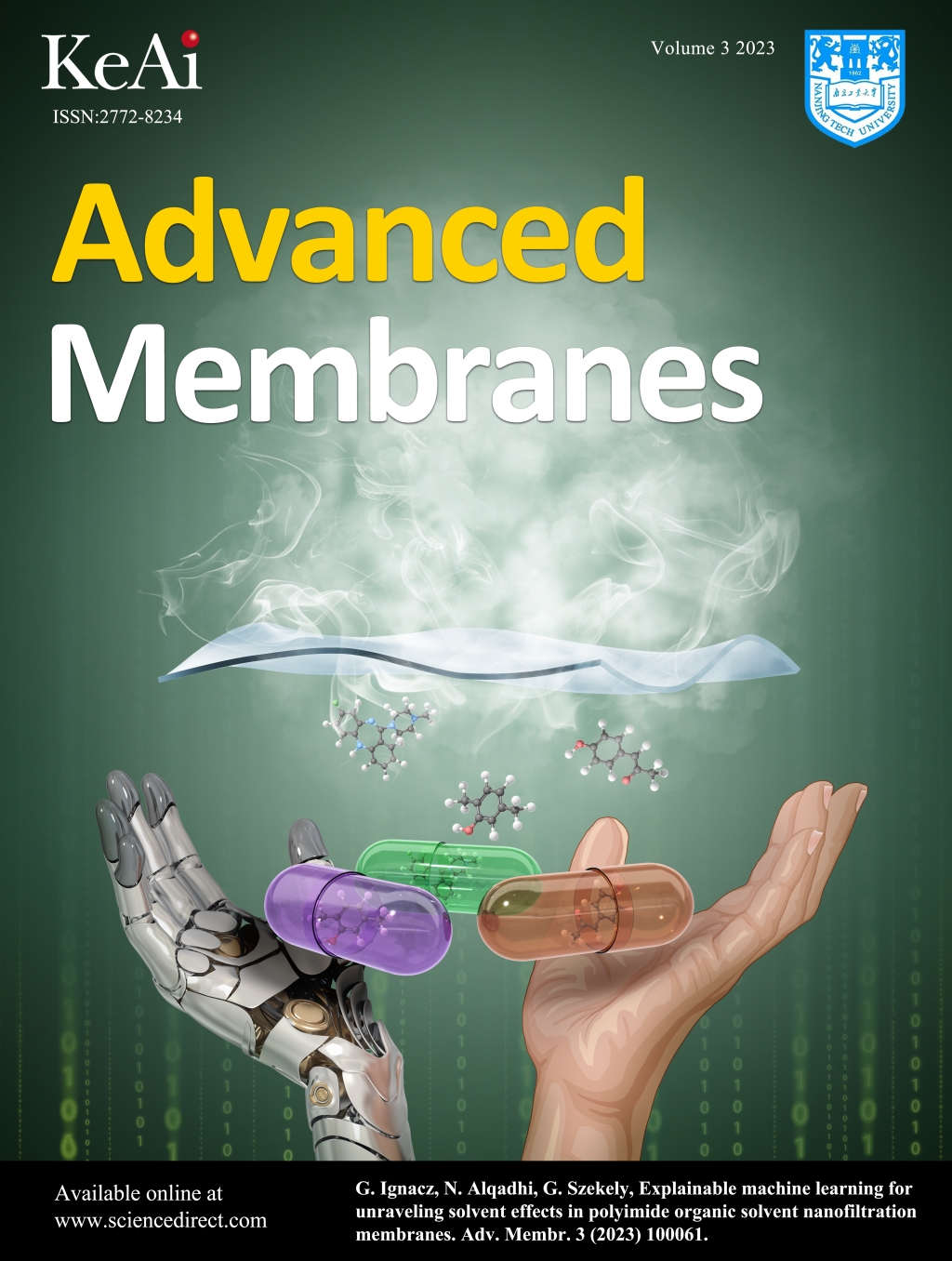
ADVMEM-Vol.3 Cover small

Image credit: Ivan Gromicho, Ana Bigio, Hassan A. Tahini @KAUST

Featured Content: Membranes for perfumes

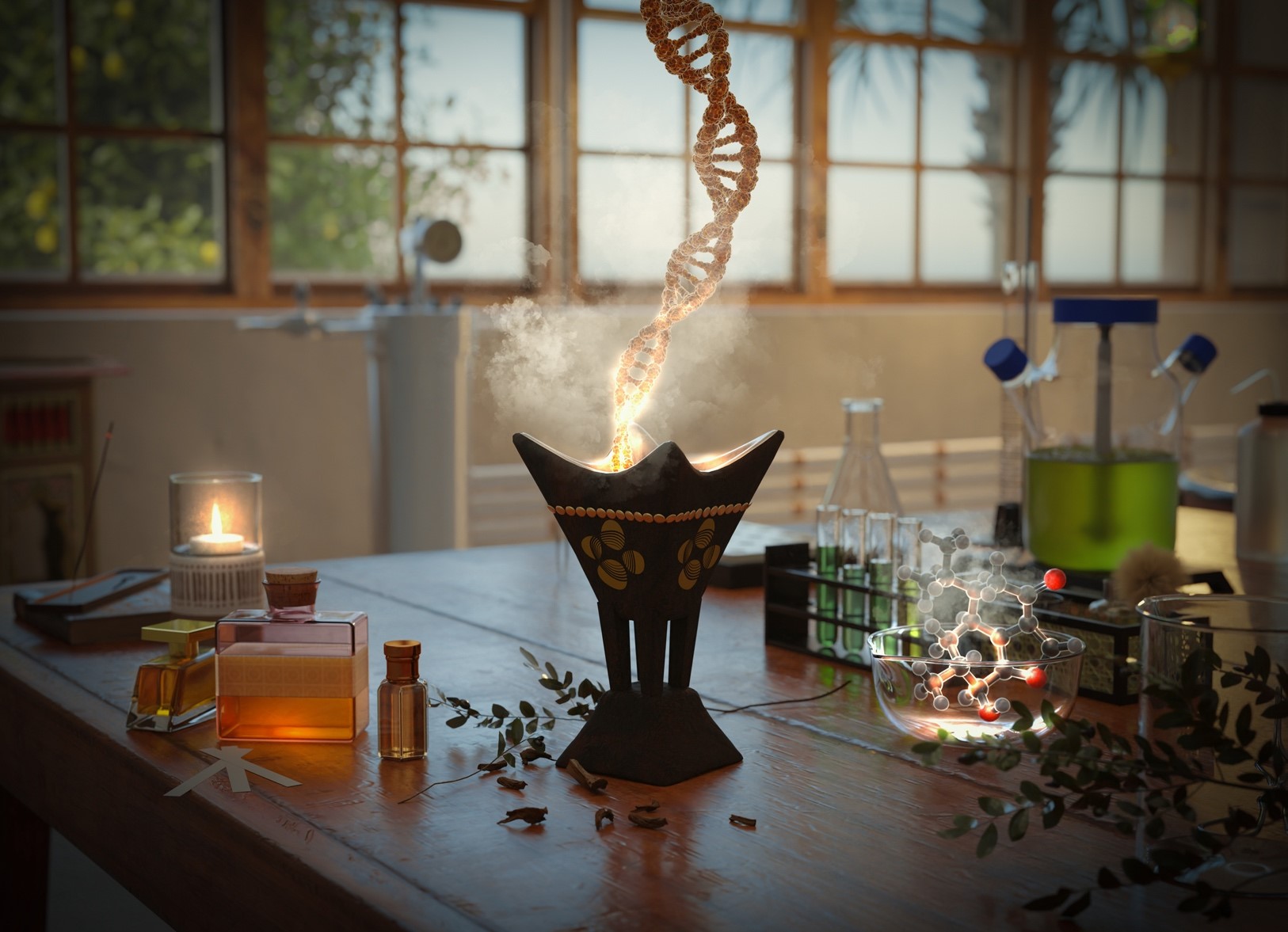
Read the news piece on our efforts to sustainably source agarwood fragrances using algae and membrane technology. The Arab world’s history and significance of fragrances, particularly oud and perfumes, are deeply ingrained in the cultural fabric of the region. Rooted in ancient traditions, the use of perfumes in the Arab world can be traced back to the influence of early civilizations like the Egyptians. Oud, a prized component derived from the agarwood tree, stands out for its rich and complex scent, becoming a symbol of luxury and tradition in Arab perfumery. Perfumes in the Arab world extend beyond personal adornment, embodying hospitality, and a commitment to artisanal craftsmanship.
The sustainability of fragrances, including those rooted in Arab perfumery, is gaining prominence amid growing environmental concerns. Traditional perfumery, often reliant on natural plant-based ingredients, is transitioning towards sustainable practices. This shift involves ethical sourcing and biodiversity conservation. We have discovered chemically produced alternatives for ingredients normally sourced from agarwood trees for the production of perfumes in this $44 billion market. Read our article in Green Chemistry, in collaboration with Prof Kyle Lauersen’s team.

Oud GC cover

Image credit: Hassan A. Tahini @KAUST

Featured Content: Organizing the 9th International Conference on OSN

We are thrilled to extend our warmest invitation to the upcoming 9th International Conference on Organic Solvent Nanofiltration, set to take place on 4-6 March 2024 at KAUST. 📣 This prestigious event aims to gather leading experts, researchers, and industry pioneers from around the globe to delve into the latest advancements, discoveries, and applications in the field of OSN membrane science and technology. As a distinguished participant, you will have the opportunity to engage in captivating discussions, share invaluable insights, and forge meaningful collaborations that will shape the future of OSN. With an exceptional lineup of speakers, interactive workshops, and poster presentations, this conference promises to be an unforgettable experience for all attendees. Join us in this stimulating journey of knowledge exchange and be a part of revolutionizing the OSN field. We look forward to your esteemed presence at the OSN2024! 🙏

Gyorgy Szekely and Suzana Nunes – Conference Chairs

Announcement with sponsors small

Speakers screenshot